Since 2021, Fondation Ipsen has supported the National Press Foundation’s Covering Rare Diseases fellowship. The programme helps journalists around the world report on rare diseases by bringing them into conversation with patients, families, researchers and advocates.
Why Journalism Matters for Rare Diseases
The way in which people become familiar with rare diseases matters. A well-reported story can explain what a new treatment might change, show why getting a diagnosis can take years, or draw attention to gaps in care that families have long been asking to address. By speaking directly with people living with rare diseases, families, clinicians, researchers and advocates, journalists can bring experiences into public view that might otherwise receive little attention.
That is why Fondation Ipsen has supported the National Press Foundation’s fellowship since 2021. The programme offers free online training to journalists working across media. Through briefings and Q&A sessions, fellows can ask researchers about the evidence behind new developments, hear from patients and families about their experiences, and learn from journalists who already cover rare diseases. The programme also offers reporting grants to help fellows cover the time and travel needed to pursue stories of their own choosing.
Reporting on Research Through the Experiences of Patients and Families
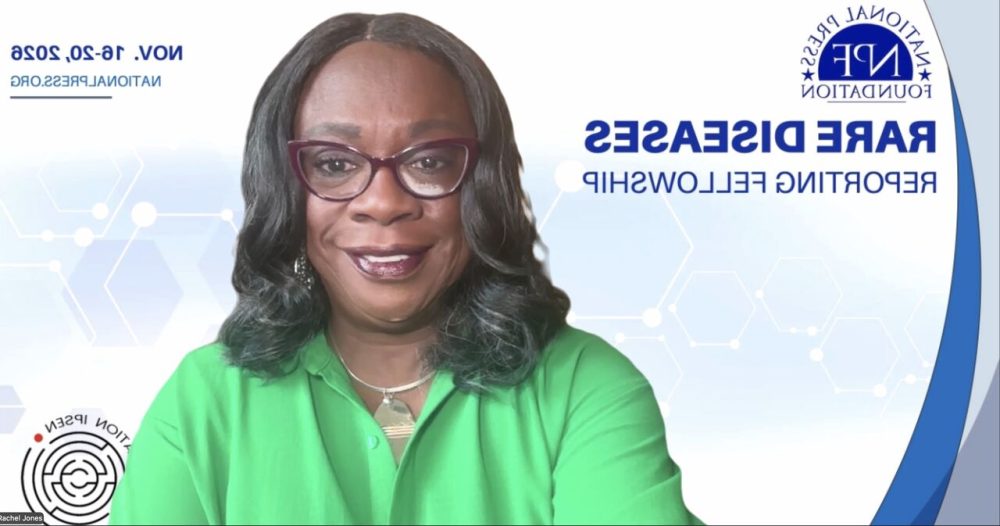
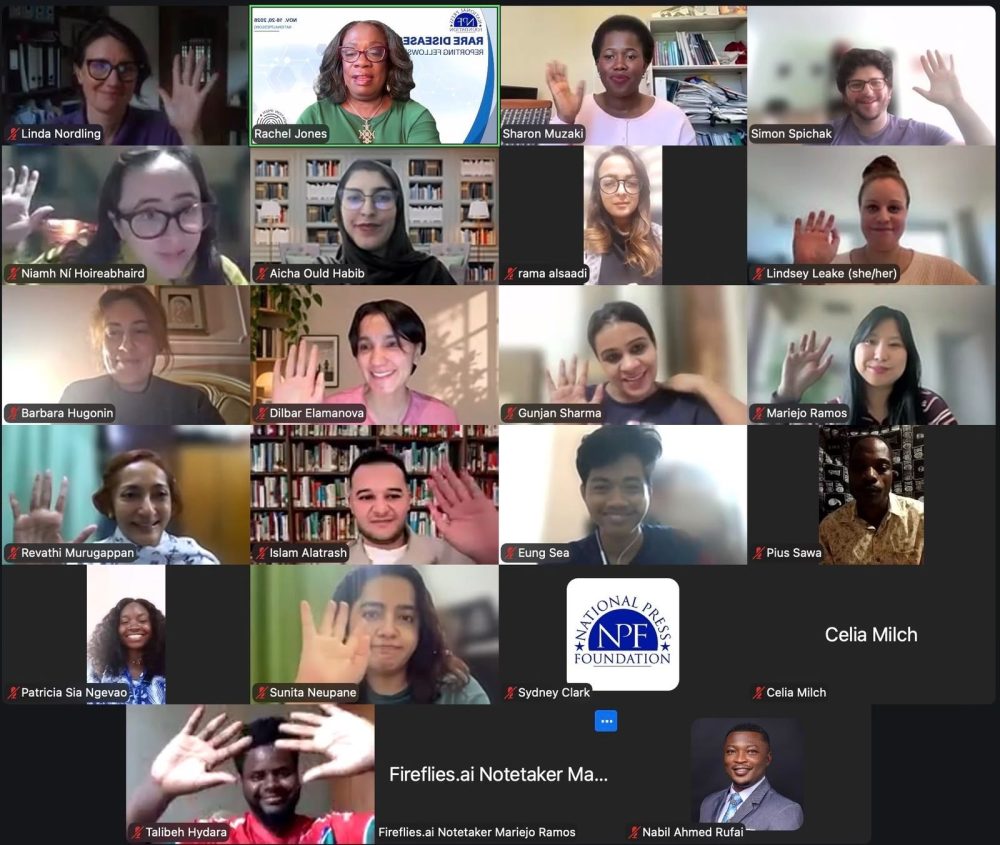
The 2026 fellowship ran online from 16 to 20 November. The National Press Foundation selected 82 journalists from around the world for five days of training.
What goes into a decision to take part in a clinical trial when no one has received the investigational treatment before? What does it take for a family to get a diagnosis? Neena Nizar, founder of The Jansen’s Foundation, spoke about participating in a first-in-human trial. Youth advocate Nell Choi and her mother, Dr Maggie Kang, shared their family’s search for answers.
The speakers’ experiences helped put the week’s discussions in context. They showed how access shapes what a new treatment means for patients, how families navigate the next steps after genetic testing, and how the uncertainty of waiting for a diagnosis can affect the whole family.
Bringing More Perspectives Into Rare Disease Reporting
The fellowship gave journalists a chance to compare experiences across countries. A session on sickle cell disease paired Daniel Cressy’s experience of receiving treatment in Louisiana with Dr Mary Dede Ansong’s perspective on barriers to care in Ghana. Fellows also heard about rare disease research in Uganda and, from journalist and 2025 fellow Asako Takaguchi, how culture and tradition shape the experience of living with a rare disease in Japan.
The closing day featured a session on youth advocacy with Ida Mirković Knaus, vice-president of the Croatian Neurofibromatosis Association, and Vincent Mugwati, whose work with the Zimbabwe Medical Students’ Association helps future doctors recognise rare diseases.
Supporting 20 International Journalists to Tell New Stories
Beyond the training, the fellowship supports journalists in turning their knowledge into original reporting.
In 2026, 20 journalists were selected for a reporting grant to help cover the time and travel needed to investigate rare disease stories of their choosing.
The grantees represent 20 countries across Africa, Asia, Europe and North America, bringing different perspectives and reporting experiences to the programme.
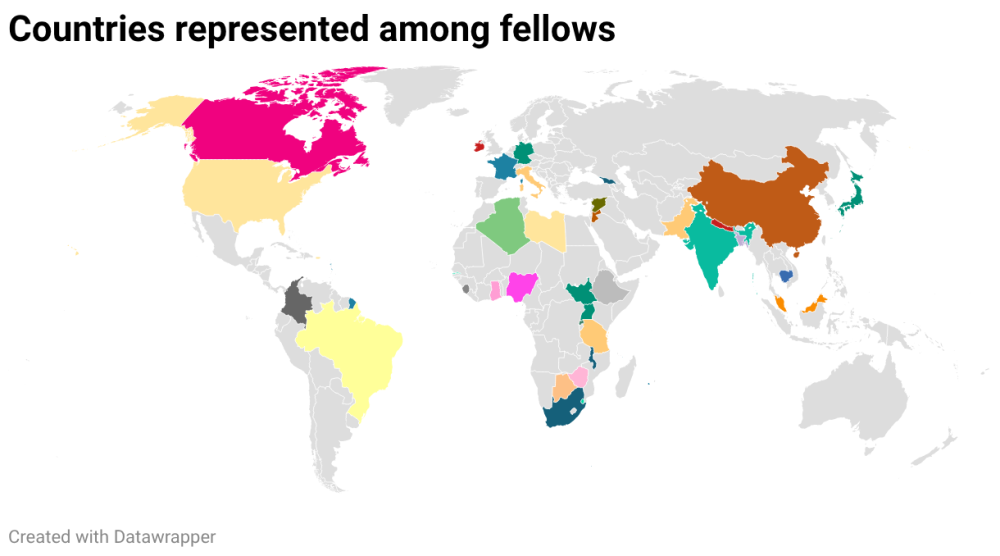
Among them are Nabil Ahmed Rufai from Ghana, Talibeh Hydara from The Gambia, Sunita Neupane from Nepal, Revathi Murugappan from Malaysia, Linda Nordling from South Africa, and Mariejo Ramos from Canada, alongside journalists working in countries including Syria, Uganda, Cambodia, India and Sierra Leone.
Their geographical diversity matters. The challenges of diagnosis, access to specialists, treatment availability and family support can differ significantly between countries. Supporting journalists working in these communities creates opportunities to explore these realities through local reporting and bring lesser-heard experiences to international audiences.
The grants also provide practical support for the work that follows the fellowship: identifying sources, meeting patients and families, investigating local challenges and developing stories for publication.
From the Fellowship to Rare Disease Day 2027
The week closed with practical advice from three 2025 fellows. Simon Spichak, Sharon Muzaki and Charlie Cordero shared what they had learned from reporting on rare diseases to help this year’s fellows develop story ideas for Rare Disease Day 2027 and beyond.
Fondation Ipsen thanks the National Press Foundation team, the speakers and the fellows for making this a memorable week. We look forward to reading, watching and listening to the stories that grow out of it.
Meet the journalists selected for the 2026 fellowship
Read Living with a Rare Disease Worldwide, a free collection of reporting by fellows from the first edition